
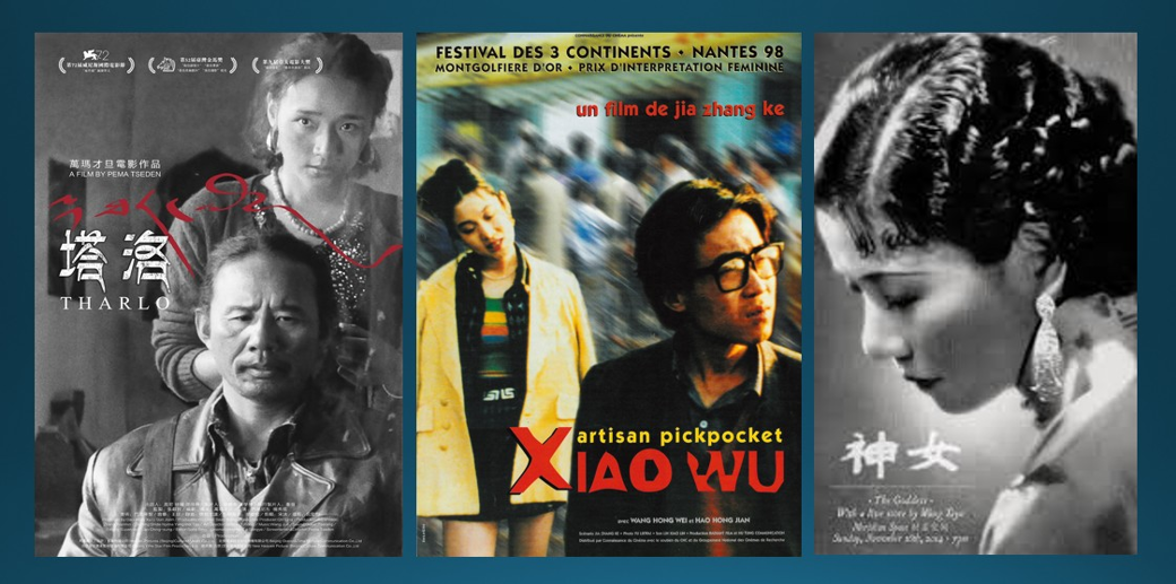
This module offers a critical survey of Chinese cinema from the “golden age” of 1930s Shanghai through the Mao era to the post-socialist present. Taking an interdisciplinary approach, it examines mainstream, commercial and arthouse cinema, situating key films within their broader historical, political, social and cultural contexts. Engaging with recent theoretical developments in transnational cinema and cinemas of the Sinosphere, the module explores the diversity of Chinese cinematic traditions and their connections to regional and global film cultures. Key themes include tradition and modernity, gender and identity, ethnic minority representation, nationalism, and the relationship between aesthetics and politics. It also examines the changing landscape of contemporary Chinese screen culture, including the relationship between cinema, commercialisation and soft power. Through close textual analysis, critical engagement with film theory and independent research, students will develop their own interpretations of Chinese cinema and its evolving place in world cinema.
LO1. Critically analyse Chinese films through close attention to cinematic form, narrative, style and audiovisual techniques, situating them within relevant historical, cultural and industrial contexts.
LO2. Apply and critically evaluate relevant film theories and critical concepts to develop interpretations of Chinese cinema.
LO3. Critically engage with and synthesise scholarly literature, film texts and other relevant sources to identify and investigate key debates in Chinese cinema.
LO4. Formulate and substantiate independent arguments about Chinese cinema through rigorous textual analysis, theoretical engagement and research.
LO5. Communicate original and critically informed interpretations of Chinese cinema through coherent, well-structured written or audiovisual essays, employing appropriate academic conventions and methods.