

| LO1 | Survey a body of literature and identify a research gap or, through critical, analytical engagement with that literature, a shortcoming in its treatment of a particular theme or phenomenon. |
| LO2 | Formulate the question(s) most relevant to addressing the gap or shortcoming identified. |
| LO3 | Design research through which the data relevant to the research questions can be acquired. |
| LO4 | Select the methods most relevant to and capable of producing the relevant data. |
| LO5 | Organise the activities required to conduct the research in an effective and timely manner. |
| LO6 | Analyse the data systematically, reporting findings and gauging the extent to which they answer the research questions and fill the gap originally identified. |
| LO7 | Write a dissertation which describes all of the processes that have led to the production of data intended to answer (or otherwise address) the research question(s), reports upon the research findings and their implications, the extent to which they answer the question(s), and identifies avenues for further research. |

| LO1 | Survey a body of literature and identify a research gap or, through critical, analytical engagement with that literature, a shortcoming in its treatment of a particular theme or phenomenon. |
| LO2 | Formulate the question(s) most relevant to addressing the gap or shortcoming identified. |
| LO3 | Design research through which the data relevant to the research questions can be acquired. |
| LO4 | Select the methods most relevant to and capable of producing the relevant data. |
| LO5 | Organise the activities required to conduct the research in an effective and timely manner. |
| LO6 | Analyse the data systematically, reporting findings and gauging the extent to which they answer the research questions and fill the gap originally identified. |
| LO7 | Write a dissertation which describes all of the processes that have led to the production of data intended to answer (or otherwise address) the research question(s), reports upon the research findings and their implications, the extent to which they answer the question(s), and identifies avenues for further research. |

| LO1 | Survey a body of literature and identify a research gap or, through critical, analytical engagement with that literature, a shortcoming in its treatment of a particular theme or phenomenon. |
| LO2 | Formulate the question(s) most relevant to addressing the gap or shortcoming identified. |
| LO3 | Design research through which the data relevant to the research questions can be acquired. |
| LO4 | Select the methods most relevant to and capable of producing the relevant data. |
| LO5 | Organise the activities required to conduct the research in an effective and timely manner. |
| LO6 | Analyse the data systematically, reporting findings and gauging the extent to which they answer the research questions and fill the gap originally identified. |
| LO7 | Write a dissertation which describes all of the processes that have led to the production of data intended to answer (or otherwise address) the research question(s), reports upon the research findings and their implications, the extent to which they answer the question(s), and identifies avenues for further research. |

On completion, students will be able to:
· Understand key sustainability issues in different inter-related sectors, scales and geographies
· Apply interdisciplinary and systems thinking to identify multi-scalar sustainability challenges and leverage points
· Evaluate critically a range of sustainability interventions across civil society, government, and private sector contexts
· Design theoretically and critically informed responses that can inform sustainable development policy or practice within professional contexts
· Develop and communicate evidence-based knowledge to address complex sustainability issues to policy, practitioner, and community audiences
LO1. Synthesise theoretical perspectives from sustainability and development studies to construct integrated explanations of complex global challenges.
LO2. Apply transdisciplinary frameworks to analyse interconnections between environmental, social, political, and economic systems in global sustainability contexts.
LO3. Interrogate the assumptions, values, and ethical implications underlying different theoretical positions on sustainable development and transitions to sustainability
LO4. Communicate and justify complex theoretical ideas and their implications for practice effectively to specialist and non-specialist audiences.
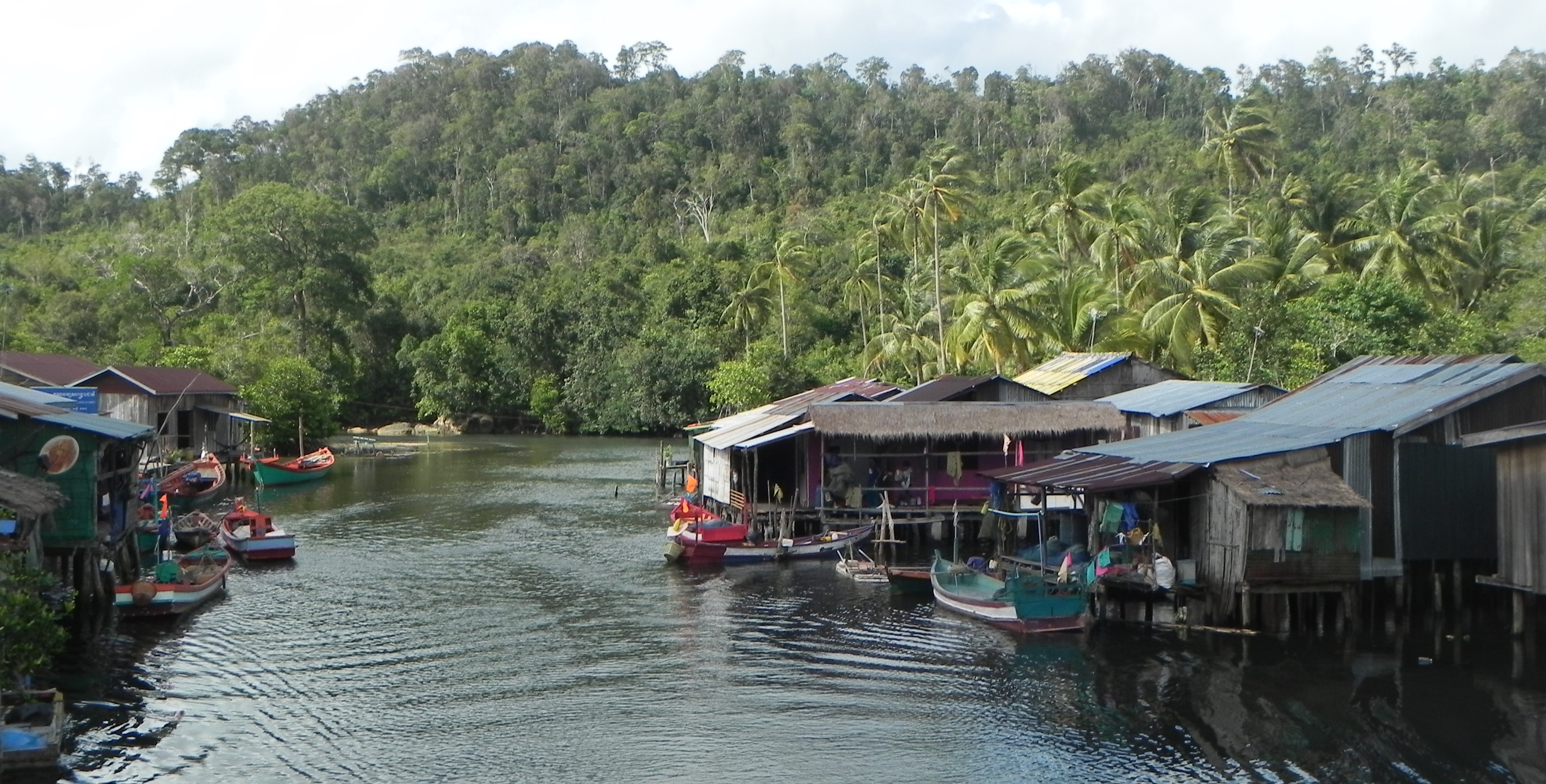
By the end of this module, students should be able to:
- describe the range of global issues facing water and land resources.
- understand the links and recognise inter-dependencies between climate change, water and land scarcity.
- introduce and critically evaluate key social and economic characteristics of water and land resources.
- define, introduce and critically discuss the governance, policy and politics of water and land resources.
- identify and reflect on the major challenges of sustainable land and water management in different contexts.
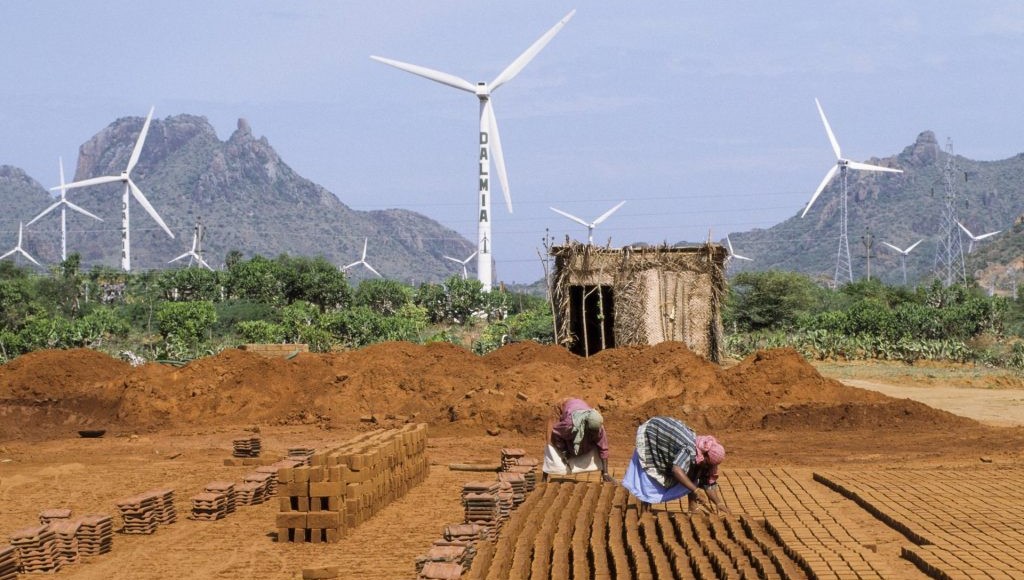
By the end of this module, students should be able to:
- understand the links and recognise inter-dependencies between climate change, greenhouse gas emissions and development.
- critically discuss the opportunities and barriers to climate change mitigation and low-carbon development.
- critically discuss the key issues and concepts in the field of low-carbon development from a theoretical and practical perspective.
- understand low-carbon pathways and their implications.
- be familiar with and interpret policy and practice to low carbon development in different contexts.

By the end of the module, students should be able to:
- Critically assess the main conceptual frameworks and measurements used to analyse food security and nutrition
- Compare major approaches and instruments used for social protection in low- and middle-income countries, including their (cost-)effectiveness in tackling poverty, food insecurity and malnutrition
- Critically examine major design and implementation challenges in social protection programmes, including targeting methods and benefit setting, information systems and payment mechanisms
- Explain how history, political actors and social and economic factors affect the scope, characteristics and support for social protection
- Critically examine the main approaches that have been taken to promote the four main aspects of short- and long-term food security (availability, access, utilisation and stability), including the role of social protection interventions
- Discuss future directions for social protection in low- and middle-income countries, including strategies for achieving greater coherence with policies for food security and nutrition.