

Upon successful completion of this Module the student will be able to:
- Apply language skills to locate source texts and research materials on their chosen topic.
- Produce original academic content in their language of study.
- Analyse in their language of study in writing and/or orally about their chosen topic.

Students will have understood the importance of culture, cultural understanding, and cultural difference in the approach to solving the problems of our times in relation to health and climate change
Students will critically analyse different framings of these key topics and their implications to the regions studied
By the end of the module, students should be able to:
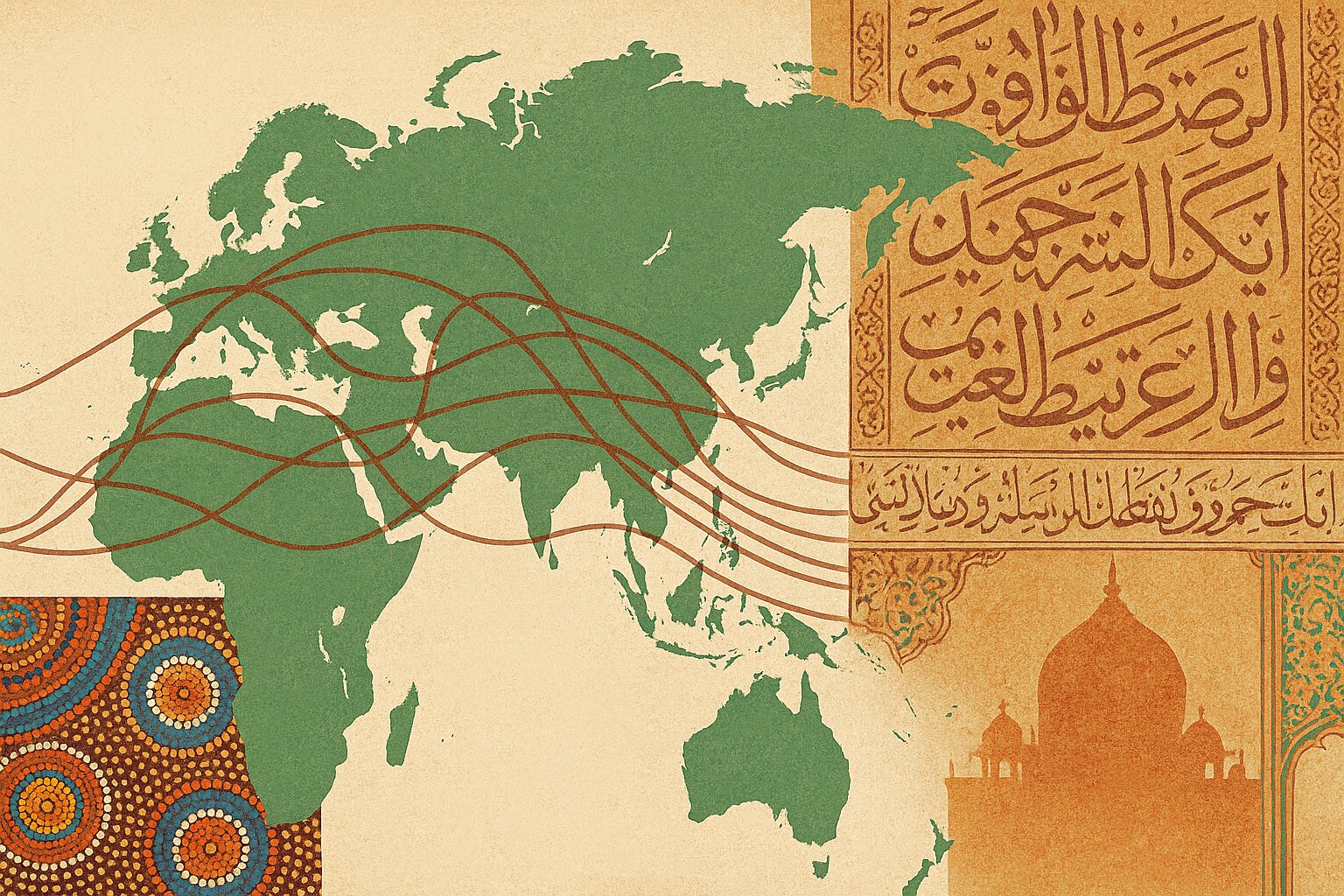
- Identify and compare storytelling traditions and genres from Africa, the Middle East, South Asia, and Southeast Asia.
- Analyse how stories work across spoken, written, performed, visual, and digital forms.
- Explain how music, dance, theatre, and visual art contribute to storytelling.
- Interpret stories in their cultural contexts while examining connections between cultures.
- Critically assess ideas of the “universal” and the “local” in narrative.
- Question the distinction between folklore and “high art” using examples from the module.
- Analyse videos and sound recordings as primary sources alongside written texts.

1. demonstrate an understanding and appreciation the relationships between cities and screen cultures
2. critically analyse screen texts in a comparative context
3. demonstrate an understanding of how film and other screen cultures can be utilised to project national agendas and identities, as well as carving out spaces for minority and marginalised voices
4. develop critical responses to cinematic work based upon aesthetic or cultural values